


Towards Balanced Economic Development
EFSD International Economic Conference 2026
The conference aims to become a platform for professional dialogue on the long-term structural changes in the region’s economies
The main goal is to bring together leading experts and heads of financial institutions to find solutions that ensure sustainable economic development of the Eurasian countries

01
Macroeconomic policy priorities and fiscal sustainability
02
Assessing GDP potential and drivers of long-term growth
03
Demographics, labor market transformation and migration
04
High-productivity jobs and human capital
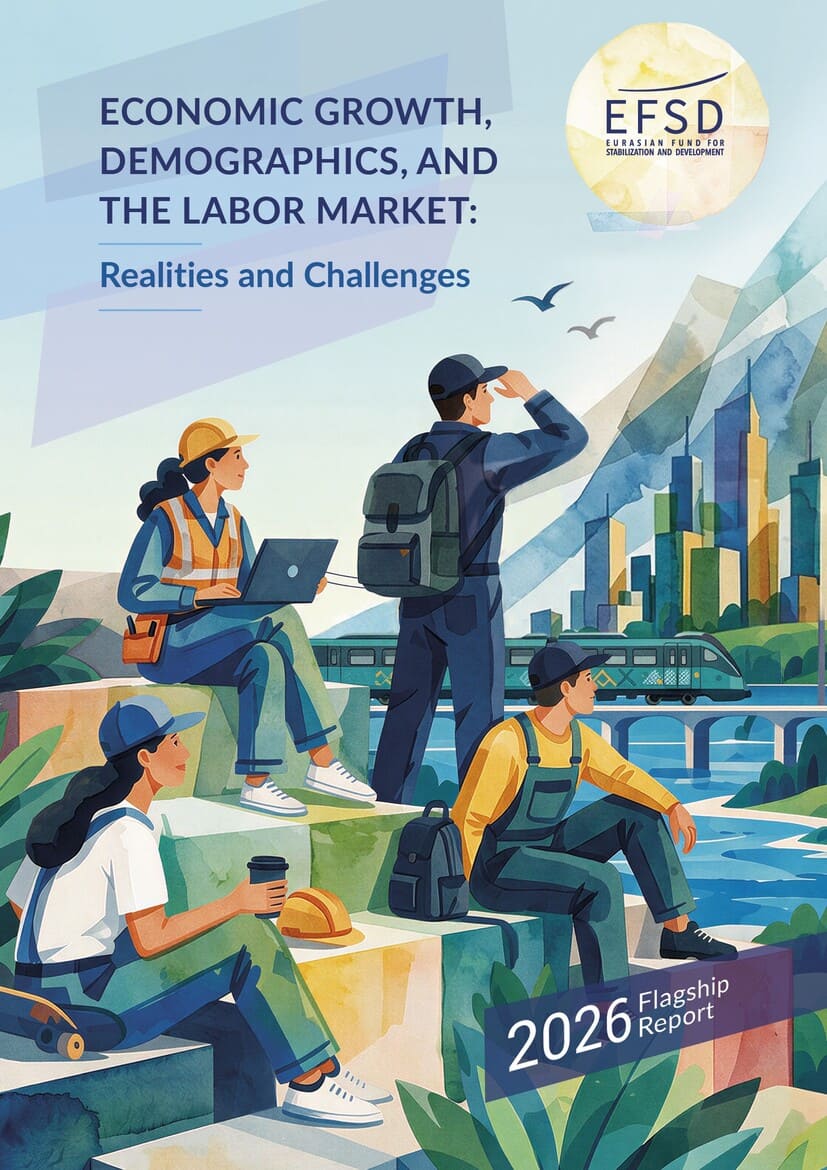
Presentation of the flagship analytical report
The centrepiece of the conference will be the presentation of a large-scale study on the labor markets of Armenia, Kazakhstan, Kyrgyzstan and Tajikistan. The report is based on macro- and microdata analysis and examines in detail the links between demographic trends, labor productivity, employment and economic growth
Event livestream

The livestream starts on October 29
The page will update automatically, no need to reload
9:00 – 10:00
Registration
10:00 – 10:15
Conference Opening / Welcome Address
PARTICIPANTS
10:15 – 11:30
PLENARY SESSION
Maintaining Momentum: Economic Policy Priorities in the New Cycle
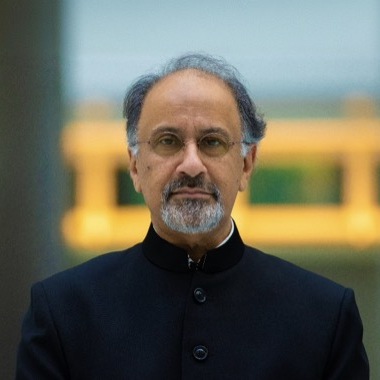
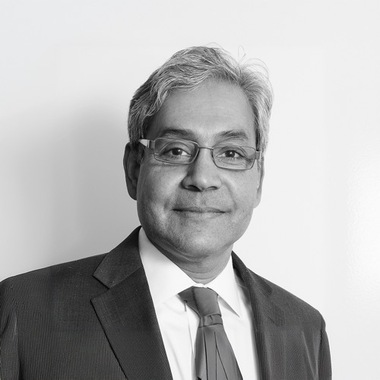
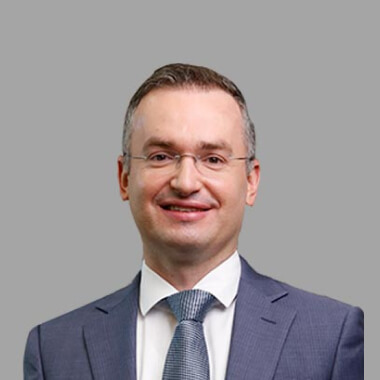
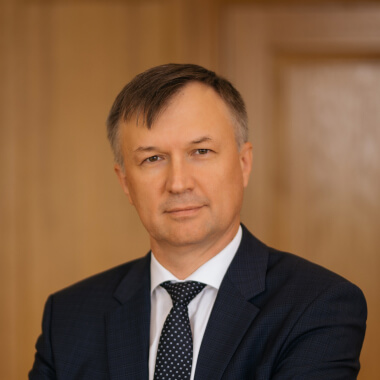
DESCRIPTION
The economies of the Eurasian region have shown strong resilience to external and internal challenges: GDP growth rates in most countries have exceeded pre-pandemic levels, despite the opposite trend in the global economy. However, as growth is expected to slow, ensuring its quality and long-term sustainability becomes the key issue.
DISCUSSION QUESTIONS
- Balancing stimulus and stability: combining growth support with fiscal consolidation (Kazakhstan, Russia, Armenia) and containing inflation.
- Efficiency of public spending: implementing large-scale infrastructure and social programmes (Kyrgyzstan, Tajikistan) while maintaining budget sustainability.
- Managing structural shifts: reorienting trade and logistics towards the largest hubs in Eurasia; minimising the risk of falling behind technologically.

PARTICIPANTS
11:30 – 12:00
Break
12:00 – 13:30
PANEL SESSION
Economic Growth, Demography and the Labor Market: Reality and Challenges
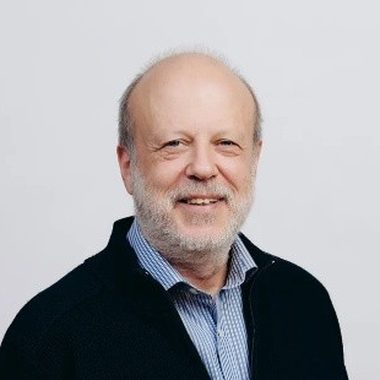
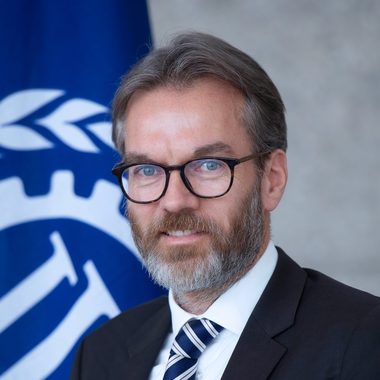
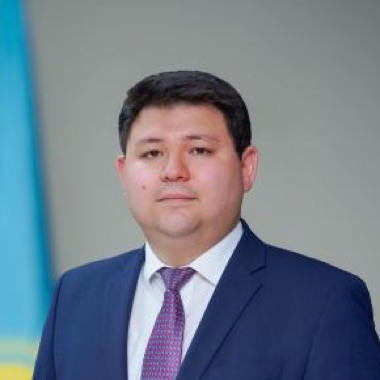
DESCRIPTION
Presentation of the EFSD flagship report “Economic Growth, Demography and the Labor Market: Reality and Challenges”, examining the links between demographic processes, economic growth and labor markets in Armenia, Kazakhstan, Kyrgyzstan and Tajikistan.
DISCUSSION QUESTIONS
- Demographics as a growth factor: opportunities, challenges and needed economic policy measures.
- Quality employment: mechanisms for boosting productive labor growth in the region.
- Labor migration: income resilience amid population growth and tighter migration barriers.
- Reducing informality: measures to move workers into the formal sector.
PARTICIPANTS
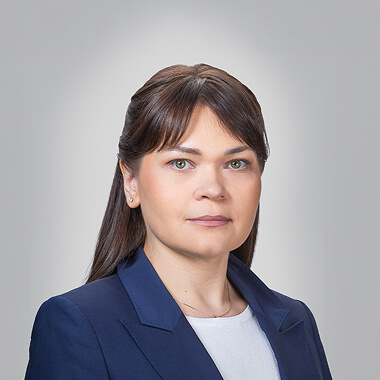 MODERATOR
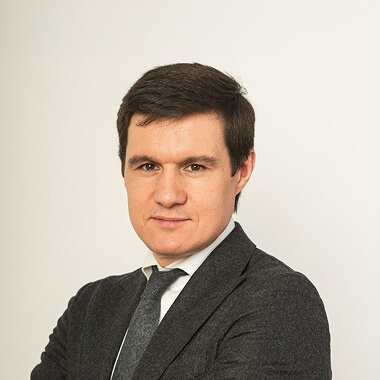
Marina Grichik
Head of the Macroeconomic Forecasting and Research Division, EFSD
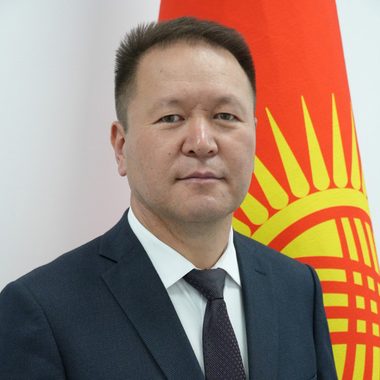 SPEAKER
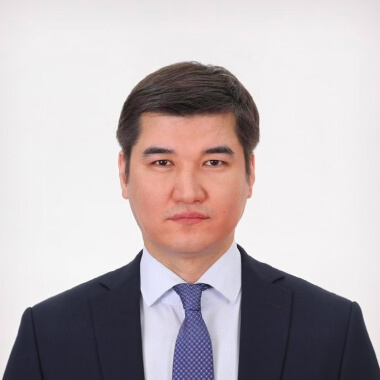
Nurlan Dardanov
Deputy Director, National Institute for Strategic Initiatives under the President of the Kyrgyz Republic (NISI)
13:30 – 14:30
Break / Lunch
14:30 – 16:00
ROUNDTABLE
Growth Potential of Eurasian Economies: Between Ambition and Reality
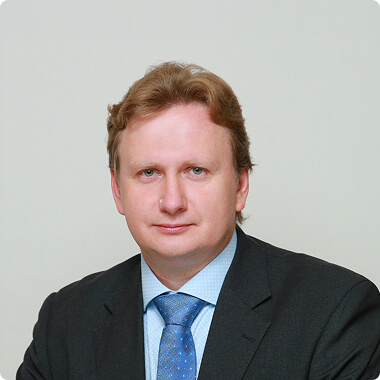
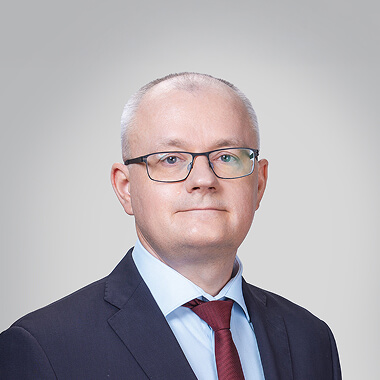
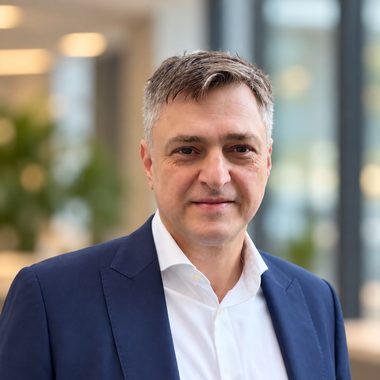
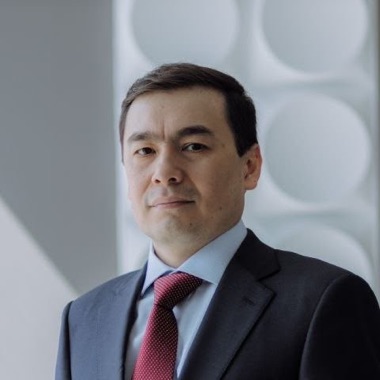
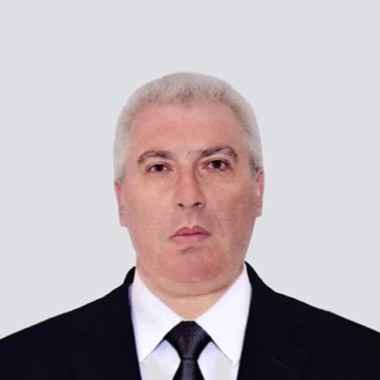
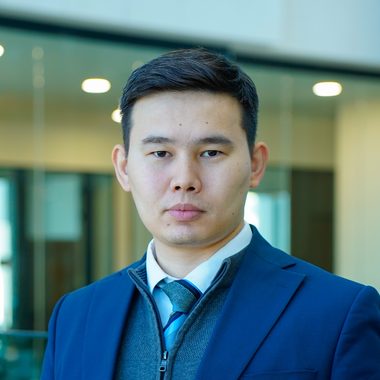
DESCRIPTION
The session focuses on the factors shaping the long-term growth potential of the economies of the Eurasian region, and on optimal macroeconomic policy amid structural change. Despite continued high economic growth rates, countries in the region are showing increasingly clear signs of overheating, including accelerating inflation, rapid credit growth and a build-up of labor market imbalances. In this context, estimating potential GDP — one of the key benchmarks for macroeconomic policy — becomes especially relevant, as assessments by national regulators, international organisations and independent experts differ significantly. This raises the question of where the line lies between cyclical overheating and a genuine expansion of productive capacity, and what factors determine the long-term growth opportunities of the region’s economies.
DISCUSSION QUESTIONS
- Growth potential: the long-term growth potential of countries in the region.
- Growth drivers: the role of institutional, technological, demographic and investment factors.
- Reforms and regional effects: priorities for raising potential growth and the regional effects of countries’ economic policies.
PARTICIPANTS
16:30 – 18:00
ROUNDTABLE
Jobs for Growth and Growth for Jobs
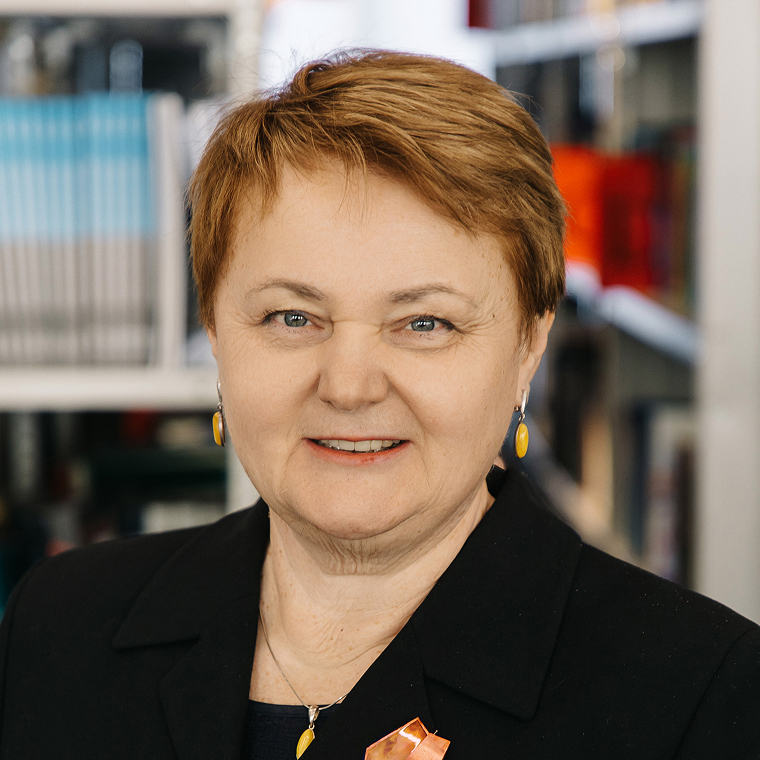
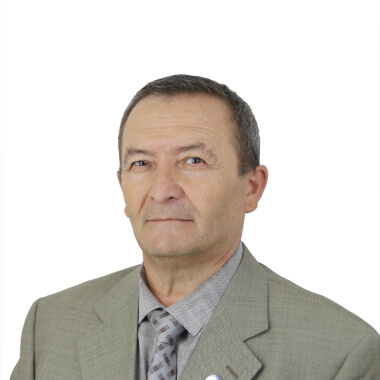
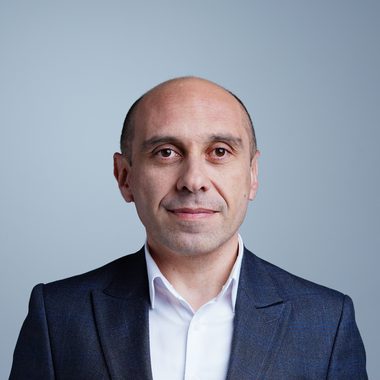
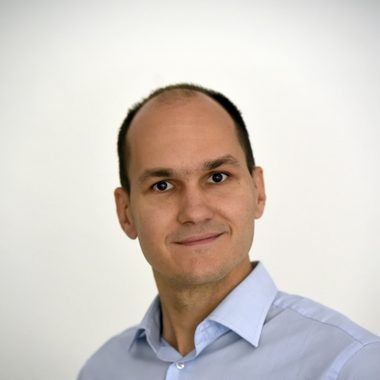
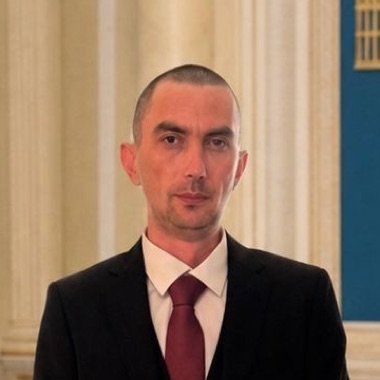
DESCRIPTION
The session focuses on the factors driving the creation of high-productivity jobs in the countries of the Eurasian region, and on the economic policy needed to improve the quality of employment. Labor markets in most countries of the region retain structural imbalances: new jobs are concentrated mainly in the public and informal sectors, while the contribution of the formal private sector remains limited. In this context, the key challenge is creating productive jobs capable of delivering sustainable economic growth, higher labor productivity and improved welfare.
DISCUSSION QUESTIONS
- Barriers for business: structural constraints on the development of the formal private sector.
- New sources of growth: the potential of industry, agriculture and services; prospects for new industrialisation.
- Human capital: the role of education and healthcare in raising labor productivity.
- Formalising employment: incentives for businesses to move into the formal sector without job losses.
PARTICIPANTS
 SPEAKER
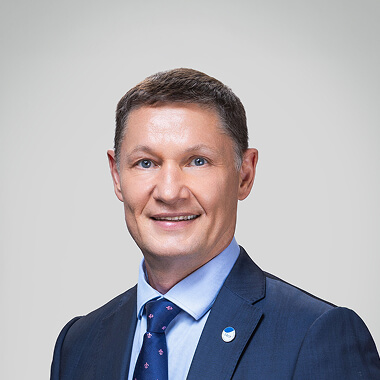
Dmitry Gershenson
IMF Head of Mission for the Kyrgyz Republic
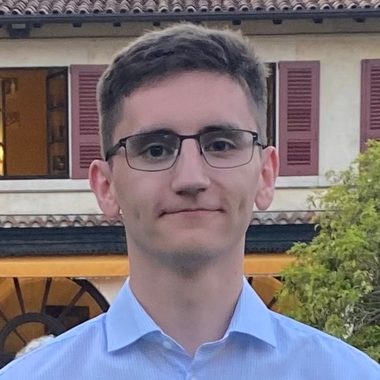 SPEAKER
Vitalii Skopin
Researcher, International Laboratory for Macroeconomic Analysis, HSE University
18:00 – 19:30
Evening Cocktail Reception
The conference is supported by leading industry media




Building a knowledge-based economy is one of the key directions of global community development
The Fund disseminates knowledge among member states through analytical work. Research supports decision-making and improves the efficiency of operations, strategic planning, and technical assistance

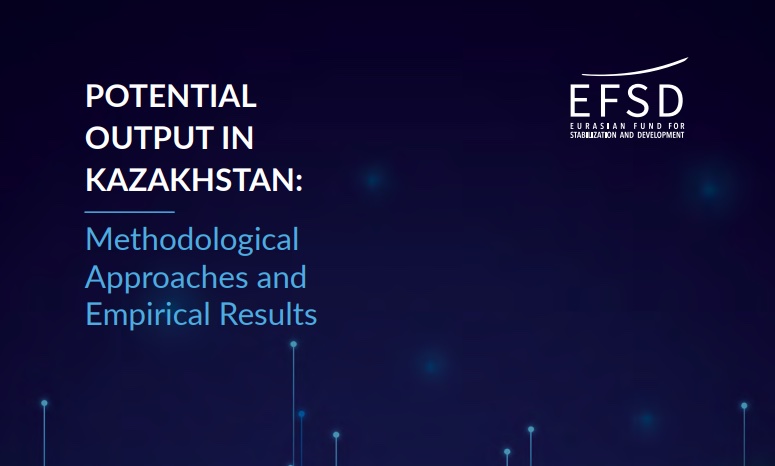

16 октября 2026 года в Бангкоке (Таиланд) на полях Ежегодного собрания Международного валютного фонда и Всемирного банка Евразийский фонд стабилизации и развития (ЕФСР) проведет две экспертные сессии. Мероприятия пройдут в гибридном и очном форматах.
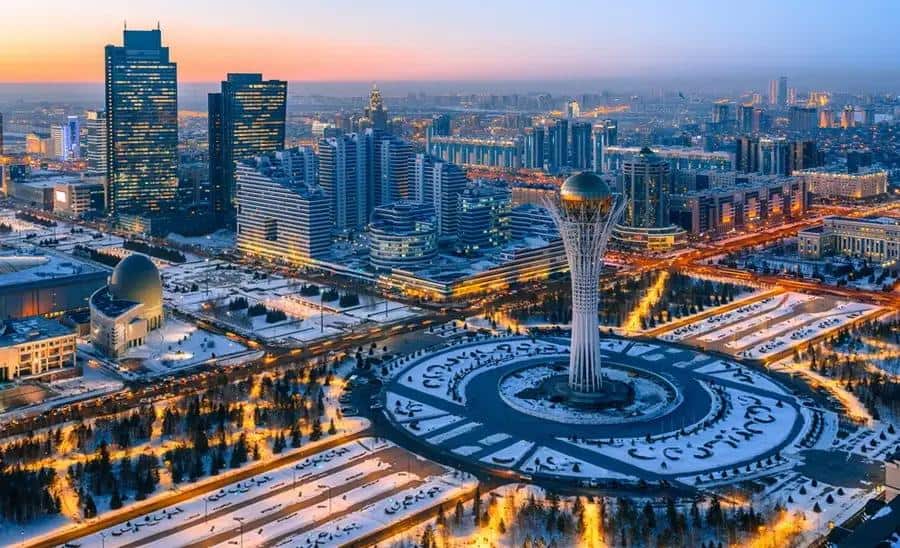
The International Economic Conference “Towards Balanced Economic Development” will take place in Astana at the end of October. It will bring together heads of government agencies and international financial institutions, as well as members of the expert and academic communities.

The Eurasian Fund for Stabilization and Development (EFSD) has released the program for its International Economic Conference, “Towards Balanced Economic Development, » to be held on October 29, 2026, in Astana. The conference will bring together economic policy officials, representatives of international financial institutions, and members of the expert and academic communities to discuss the key drivers of long-term growth across the Eurasian region.
Sheraton Astana Hotel
60/1 Syganak St, Astana, Kazakhstan
DATE, TIME AND FORMAT
When and where will the conference take place?
The conference will be held on October 29, 2026 (Thursday) in Astana, Kazakhstan, at the Sheraton Astana Hotel (60/1 Syganak St).
What time zone is used in the programme?
All programme events are listed in Astana local time: GMT+5.
Will there be an online format or live stream?
An online broadcast of the key sessions will be available on the site’s homepage.
REGISTRATION AND PARTICIPATION
What time does on-site registration start?
Guest arrival and registration in the Welcome area start at 9:00 in the hotel lobby. The official programme begins at 10:00.
Is participation in the conference paid?
Participation in the conference is free of charge; however, the number of seats on site is limited. Attendance is only possible after receiving official registration confirmation from the organising committee.
What do I need to bring for on-site access?
Please bring a form of identification (passport) to confirm your registration at the Welcome desk, as well as business cards for networking.
LOGISTICS AND TRAVEL
How do I get to the venue?
The event will take place at the Sheraton Astana Hotel (60/1 Syganak Street). Nearby landmarks include Abu Dhabi Plaza Shopping Center and Linear Park. From Astana International Airport, you can reach the hotel by taxi (approximately 20–25 minutes) or take the Astana LRT to Baiterek Station.
Is parking available for participants at the hotel?
Underground parking at the hotel is available for conference guests. Please note that the number of spaces is limited, so we recommend arriving early or using a taxi.
Is transfer provided for out-of-town participants?
No organised transfer is provided. Participants make their own way to the hotel.
DRESS CODE, CATERING AND WI-FI
What is the dress code for participants?
The recommended dress code for all conference sessions is Business Casual or Business Traditional.
Is catering included in the event programme?
Yes, coffee breaks are provided for all in-person participants, as well as a lunch break from 13:30 to 14:30.
Will Wi-Fi be available on site?
Free Wi-Fi is available throughout the conference venue. Connection details (network name and password) will be posted at the registration desks and information stands.
PROGRAMME AND MATERIALS
What topics does the business programme cover?
Key topics include macroeconomic policy in the Eurasian countries, labor market balance, demographics, migration, new sources of growth, and barriers to private-sector development.
Where can I read the EFSD report that will be presented?
The presentation of the flagship report “Economic Growth, Demography and the Labor Market: Reality and Challenges” will take place at 12:00 during the panel session. After the presentation, the report will be published in open access on our website.